









Ever noticed how woman’s sex toys used to sound like they belonged in a dentist’s drawer, but now they’ve got names like they’re about to join your group chat?
So… who decided we’re calling a vibrator “Wanda” instead of “High Frequency Personal Massager 3000”? And why does it work?
Welcome to the surprisingly juicy world of sex toy naming: the cute, the cheeky, the lowkey genius, and the occasional “who approved this” moment. (No kink shaming, but some names deserve a time-out.)
Why do sex toys even have nicknames now?
Because names do heavy lifting. A good name can make a product feel:
-
less intimidating
-
more friendly and relatable
-
easier to talk about with friends or a partner
-
more “wellness” and less “awkward”
The whole sexual wellness space has been shifting away from explicit branding towards more mainstream, design and wellness-led positioning, and brands are leaning into softer language and better aesthetics.
And here’s the nerdy marketing bit (but make it fun): when something is easier to process, we tend to like it more. Research on “processing fluency” shows that easy-to-pronounce, easy-to-hold-in-your-head names can boost liking and willingness to buy.
So yes, “DeeDee” is doing more for your confidence than you think.
What makes a sex toy name actually good?
A solid toy name usually nails at least one of these:
1) It reduces the awkward factor
If you can say it out loud without turning into a tomato, it’s a win.
“Missy” feels like: cute, approachable, beginner-friendly.
“Clitoral suction stimulator” feels like: please don’t perceive me.
2) It gives the toy a personality
Names like Wanda, Tiff, DeeDee, Dilly, Lulu, Peaches make the toy feel like a buddy, not a device.
3) It hints at what it does, without being… graphic
-
Wanda (wand vibe) = playful, easy to remember
-
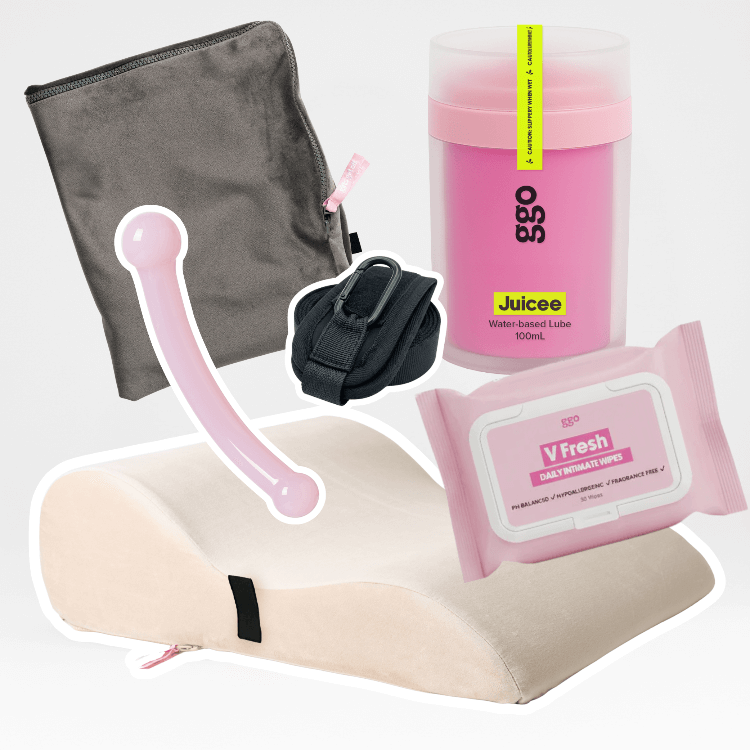
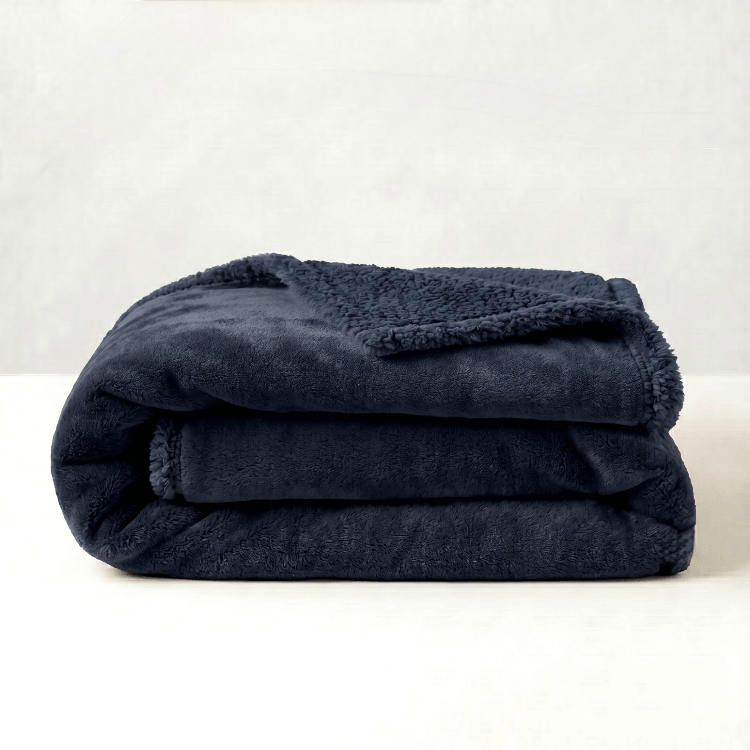
Freak Sheet (sex blanket) = tells you it’s for messier fun, but in a cheeky way
-
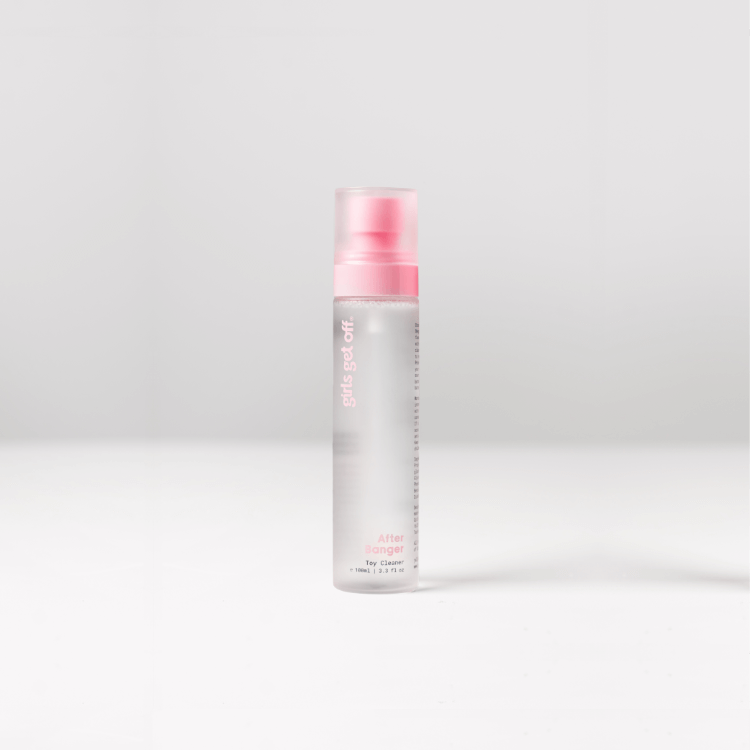
After Banger (toy cleaner) = iconic, self-explanatory, no sterile vibes
4) It’s easy to say, spell, and search
If you forget how to spell it, you won’t re-order it. Brutal but true.
Is humour always a good idea?
Yes… but with a little strategy.
Humour can make things feel lighter and more shareable. But there’s also evidence humour in ads can sometimes distract from remembering the brand name itself.
Translation: make it funny, but not so chaotic that nobody remembers what they’re buying.
Playful, not cringe. Funny, not seedy. Like you’re voicing a skincare ad, not whispering into a microphone at 1am.
So what are the main “styles” of sex toy names?
Here’s the naming landscape, from clinical to chaotic-good:
The “wellness-coded” name
Sounds like it belongs next to your LED mask.
-
“Intimacy Device”
-
“Personal Massager”
-
“Wellness Wand”
Pros: discreet, giftable, less confronting
Cons: can feel vague, like “what does it actually do though?”
The “bestie nickname” name
Human names, pet names, playful words.
-
Missy, Wanda, DeeDee, Lulu, Tiff, Elle, Peaches, Dilly
Pros: approachable, memorable, easy to talk about
Cons: if the name gives zero clue, you might need a descriptor too (easy fix)
The “naughty pun” name
Sometimes iconic. Sometimes… jail.
-
“Bang Buddy”
-
“O-Maker”
-
“The Destroyer” (you know it exists)
Pros: funny, attention-grabbing
Cons: can tip into seedy or cringe fast
The “tech-spec” name
Usually from older-school brands or marketplaces.
-
“10-Speed Silicone Rabbit Vibrator”
-
“Waterproof USB Rechargeable Dual Motor”
Pros: clear function
Cons: romance level: zero
What naming does to the vibe
|
type |
If it’s named clinically |
If it’s named like a bestie |
What changes? |
|
Suction toy |
“Clitoral stimulator” |
Missy |
Feels less intimidating, more “okay I can try this”. |
|
Wand vibrator |
“Body massager” |
Wanda |
Feels playful and familiar, like a go-to fave. |
|
Rabbit vibe |
“Dual stimulation vibrator” |
DeeDee |
Less scary, more approachable for beginners. |
|
Dildo |
“Silicone dildo” |
Dilly |
More fun, less clinical, easier to talk about. |
|
Butt plug |
“Anal plug” |
Peaches |
Softer entry point, less stigma, more curiosity. |
|
Glass wand |
“Glass massager wand” |
Elle |
Feels elegant, giftable, and more “self-care”. |
What about names for toys you don’t sell?
Even across the wider toy world, you’ll usually see patterns:
-
Rabbits often get flirty names (because they’re the “dual action” overachievers)
-
Bullets get small, cute names (because they’re travel-friendly and beginner-coded)
-
Wands get “power” names (because they’re known for rumbly intensity)
-
Anal toys get softer names to reduce fear and stigma
If you’re ever browsing and thinking “why is this toy called The Destroyer?” you’re allowed to close the tab and protect your peace.
Want a cheat sheet for naming a toy (or describing one)?
Here’s a quick framework you can use in blog copy, product descriptions, or social posts.
The 5-second naming formula
Name (bestie vibe) + what it is (clear label) + the feeling (benefit)
Examples:
-
DeeDee; thrusting rabbit vibrator for deep, hands-free pleasure
-
Wanda; wand vibe for rumbly, all-over stimulation
-
Missy; petite suction toy for quick, reliable external pleasure
Keeps it fun and clear. No awkward tech-spec soup.
The bottom line
A sex toy name isn’t just a label. It’s permission.
Permission to browse without shame, to giggle, to ask questions, to try something new, to tell your bestie “I found my new fave” without needing to whisper like you’re planning a heist.
No shame in the getting off game, just better names and even better vibes.
In this article
Keep reading
 Nipple Play 101: How to Tease, Touch and Get Off Up TopFrom Blog · Updated Sep 2026
 Meet Your Pleasure Muscle: A Clinical Sexologist on the Pelvic Floor Secret That Changes Your Orgasms ForeverFrom Blog · Updated Sep 2026
 Vibrators Aren’t Cheating (They’re Clinical): A Sexologist on Why Every Woman’s Bedside Drawer Deserves OneFrom Blog · Updated Aug 2026

